
Stuart Sutphin
As Americans, apple fruits hold a special meaning of importance to our history and our society.
They are of huge economic importance to our agriculture economy.
They are a primary part of our diets, especially for many who are trying to lose a few pounds.
They are a snack preferred by caring moms for their children.
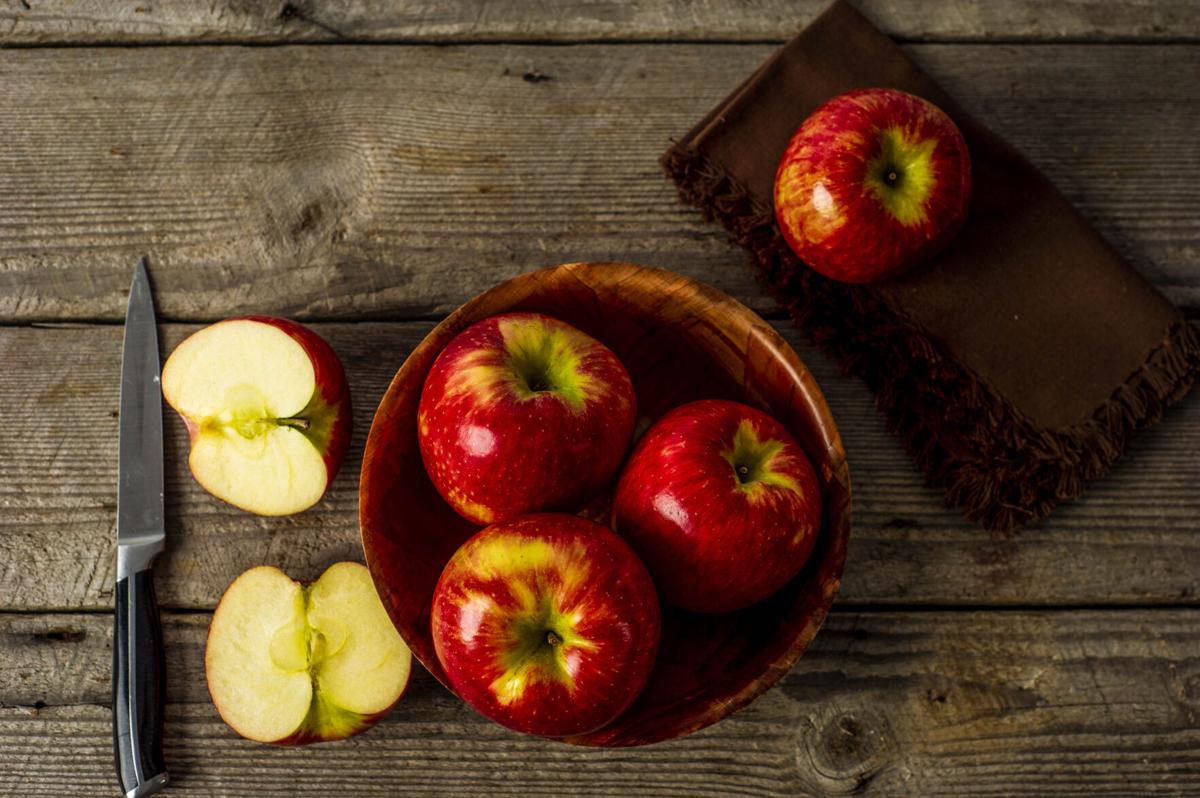
We almost always picture big, red apples with the American flag.
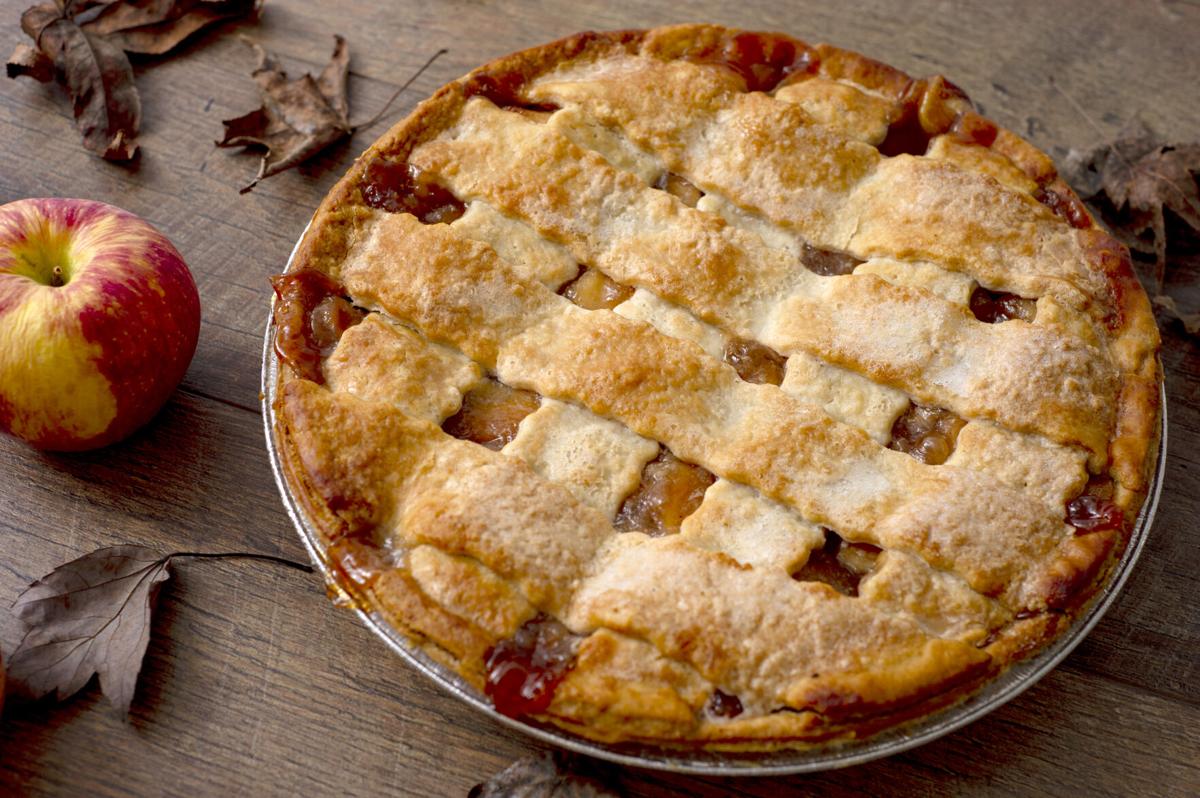
To show that something is uniquely American, we say it is “as American as apple pie.”
The funny thing about that is that the fruit tree originated in the Tein Shan Mountains of Kazakhstan. Oh, and the pie was first popular in Great Britain, about 300 years before Jamestown was settled. The cross-hatch design of the crust on top was developed in the Netherlands in the 1500s.
However, we will stand our ground with our adopted symbol of the American sprit. In 1902, a writer from England suggested that people eat apple pie no more than twice a week. An editor at The New York Times responded, “Eating pie twice a week is utterly insufficient, as anyone who knows the secret of our strength as a nation and the foundation of our industrial supremacy must admit. Pie is the American synonym of prosperity … No pie-eating people can ever be permanently vanquished.”
Apple pie, and fruit pies in general, became so popular over the past 200 to 300 years or so because they are relatively cheap and easy to make. We are blessed with the conditions over most of North America to grow apples, pears, peaches, damsons and more to make these fruits easily available. It is no wonder pies are eaten with almost every meal.
The route apples traveled to their place in the agricultural economy is not as direct as with other crops. They were grafted or hybridization between species occurring naturally. There was no controlled breeding of apples until about 400 years ago. To understand the history of this fruit, we need to look at a little paleontology, evolution and early trade along the “Silk Road” trading route between Europe and Asia.
The first apples occurred naturally. They evolved into large and fleshy fruits to attract large animals looking for food. These large animals would eat the fruit and then migrate long distances, dropping the apple seeds along the way. The seeds would germinate and a new area would soon have a grove of apple trees. This was working well until the ice age froze the land and killed off many of the animal species that were spreading the apples.
In fact, until recently, the spread of the apple was no where near as broad as it was 10,000 years earlier. There were a few places the ice did not cover and small groups of apple trees survived there. After things thawed, the apples started spreading again due to foraging by wild populations of horses and bison.
Eventually, humans began to appear. As they organized into communities — and later into civilizations — they began to trade things. Soon there was a primary route that almost all Asian trade went over called the “Silk Road” after the most valuable commodity carried over the road. Apples must have been traded or at least carried and eaten as there are number of areas supporting apple tree populations adjacent to the route.
DNA from modern trees along the Silk Road compared with our modern varieties of apple show most of our apples today were derived from only four species that existed thousands of years ago.
Fossilized leaves and seeds provide evidence of the same apples or their forebears up to 3 million years ago. The evidence indicates that while most other agricultural crops are domesticated versions of their ancestors, apples actually evolved into what we enjoy today.
So, if you have a small orchard or even just one or two apple trees in the backyard, you have evidence of a reliable source of food for animals since before humans ever showed up. And they have not really changed a whole lot over the past few thousand years or so. Why mess with something so good, right?
Maybe the apple and the pie are not as American as we thought. But, the recognition of the importance of something as humble as the apple pie is about as uniquely American as it gets … as American as apple pie, so to speak.
Enjoy your garden.
For questions or to suggest a topic for this column, email to inyard2019@gmail.com.
June 16, 2021 at 06:00AM
https://ift.tt/3vrSfWs
IN THE YARD: Fruit's humble beginnings are American as apple pie - GoDanRiver.com
https://ift.tt/2CPpHAw
Pie


No comments:
Post a Comment